Jolabokaflod is the Holiday Tradition We All Need Right Now
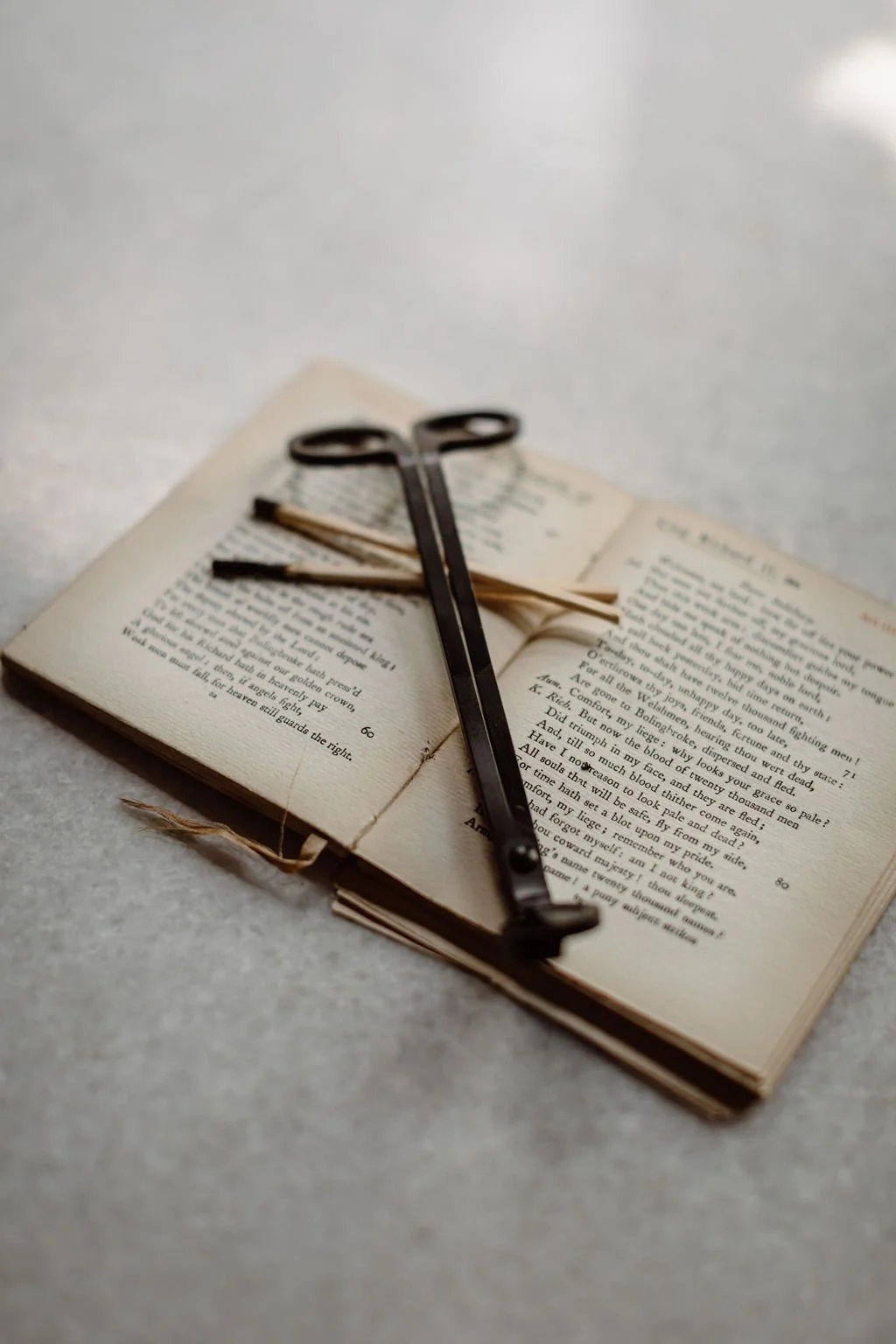
A few years ago, I had read about Jolabokaflod, the Icelandic tradition of exchanging books and chocolate on Christmas Eve, and I thought it sounded perfect. I told my husband and son I wanted to try it, and they loved the idea. I really took the time to pick out books I knew they'd like to read right away, and I could tell my husband did the same.
When it comes to the holidays, I've grown to despise worrying about not getting everyone "enough." Still, books put the sentiment back into our gifts. "The act of choosing a book for someone else is a thoughtful gift-giving exercise, which encourages people to think more deeply about each other's beliefs and values," says Nichola Henderson, a life coach and wellness expert.
Sitting in front of the fire on Christmas Eve with my family, drinking hot cocoa and eating all the chocolate I wanted, the true meaning of Christmas washed away my commercial cynicism. Curling up with my new copy of The Picture of Dorian Gray, I experienced peace on earth.
Reading side by side like that brought us together just to slow down. I felt that remembering to enjoy life itself with my loved ones was the true gift. And Henderson says, "When you then read together as a group, there is a shared social experience that fosters bonding."
Jolabokaflod, which translates to "Christmas Book Flood," emerged from World War II, a time of economic strain and strict trade regulations across Europe. "Because of the bad economy and depression, there were quotas or stringent restrictions on many things you could import," explains Heidar Ingi Svansson, the president of the Icelandic Publishers Association.
In Iceland, paper was not rationed, making book printing very affordable. In 1944, Bokatioindu (the "Book Bulletin") was a free catalogue of books sent out to Icelandic homes. In a complex world economy and tense political atmosphere not unlike today's, books were accessible gifts. Exchanging books at Christmas time remained popular, and in 2023, Iceland's Book Bulletin had grown to 80 pages.
As far as drinking hot cocoa or eating chocolate, Icelanders simply enjoy indulging in their favourite treats on Christmas Eve. During Jolabokaflod, one can have whatever they desire for the holidays, including beer or cookies. Sunna Furstenau, the president of Icelandic Roots, says she likes to have traditional Christmas treats, including vínarterta, a thinly layered prune cake; pönnukökur, an Icelandic crepe; and a kleinur, a cardamom donut-like pastry, all with "dark, thick, strong coffee."
When it comes to books, Iceland's story-loving roots, which date back to the 9th century, were first passed down orally before being written down. Stories served as sources of light during times of darkness, when starvation and pandemics lasted for hundreds of years. "The very survival of these isolated people during the misery of the five centuries circa 1300-1800 has sometimes been attributed to the sustenance provided by their history, poetry and literature," writes Richard F. Tomasson, sociologist and Iceland scholar.
Iceland's love of stories never dwindled. Today, they have a literacy rate of nearly 100 percent; Icelanders read more books per capita than any other nation. "If you look at book sales distribution in the U.K. and the States, most book sales actually come from a minority of people. Very few people buy lots of books," says Baldur Bjarnason, who has researched the Icelandic book industry." It's much more widespread in Iceland. Most people buy several books a year."
That first year we tried out Jolabokaflod, I had gotten my son a copy of The Miraculous Journey of Edward Tulane, and we committed to reading three chapters aloud together each night until we finished it. Luckily for us, it turned out to be a magical story that the three of us equally loved. What I remember most about that winter break now is reading that book together each night.
There's a reason that reading a good book sounds so appealing. Research shows that reading can reduce stress by as much as 68%, while people who read printed books have a 20% reduced risk of death. "By losing yourself in a thoroughly engrossing book, you can escape from the worries and stresses of the everyday world and spend a while exploring the domain of the author's imagination," says David Lewis, a cognitive neuropsychologist.
In a political climate where conservative, far-right ideals are leading to censorship, with book bans on the rise, free speech and book accessibility are being threatened. Pen America has been keeping a close eye on what they call "the contemporary campaign to ban books," which they say has been taking place at an unprecedented rate over the past four years. That creates an environment where reading itself can be a radical act of rebellion against thought-control.
There may be no better time to spend your holiday budget at your local, independently-owned bookstores and exchange nothing but books this year, accompanied by treats to sweeten the deal.